✨ New Arrivals Just Dropped!Explore
Burgmüller - 25 Progressive Studies, Op. 100 - Schirmer Performance Editions
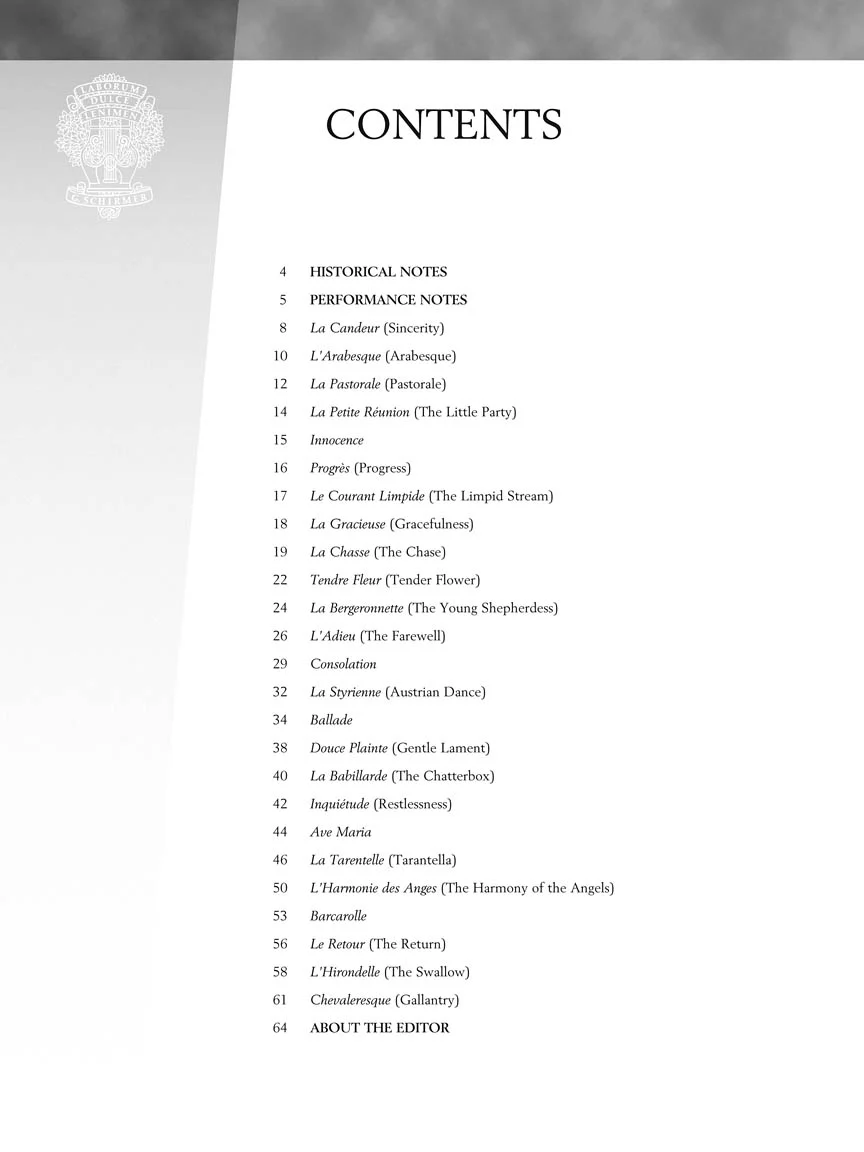
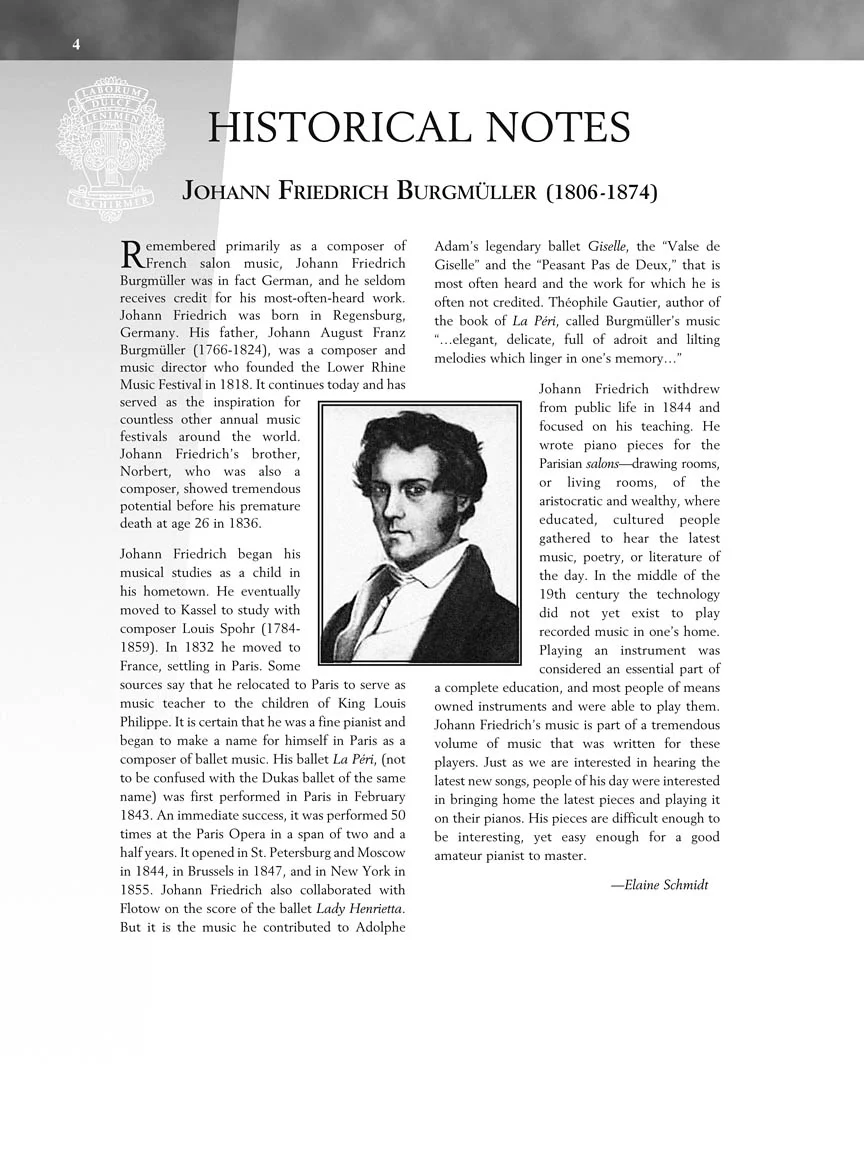
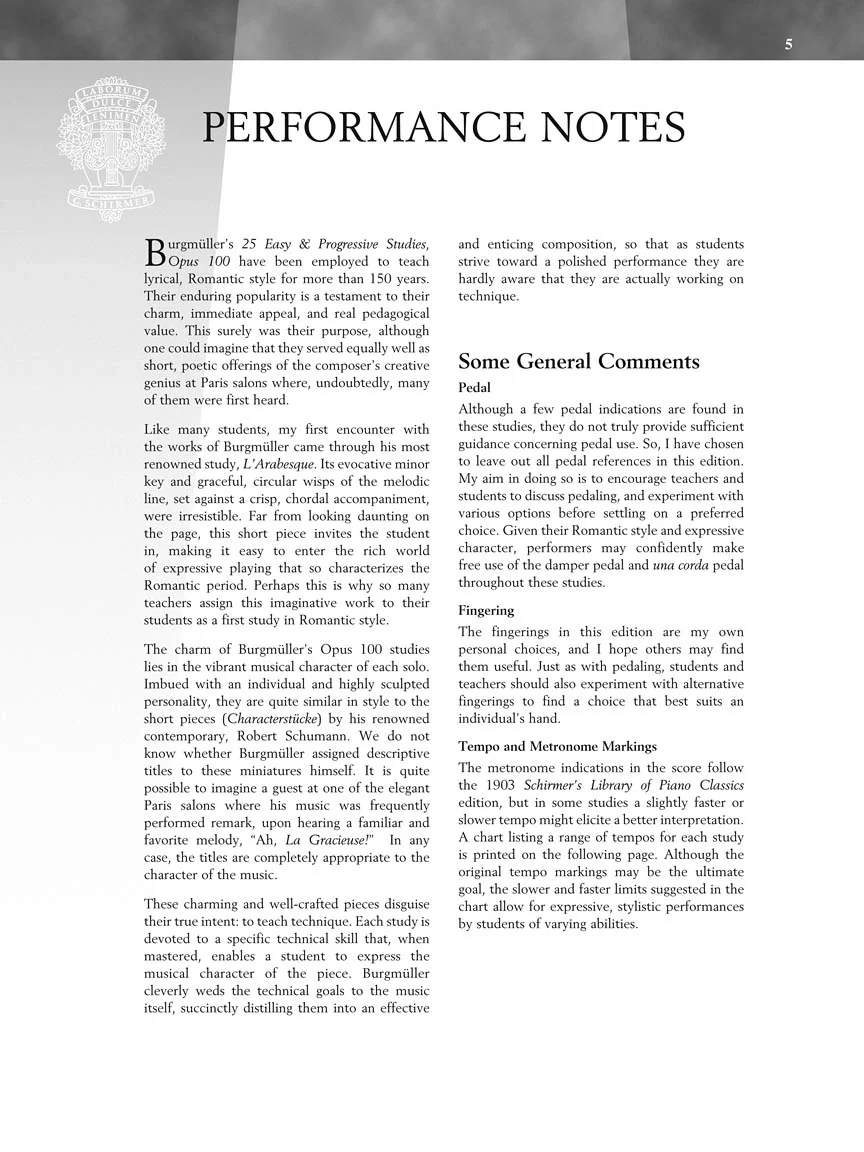
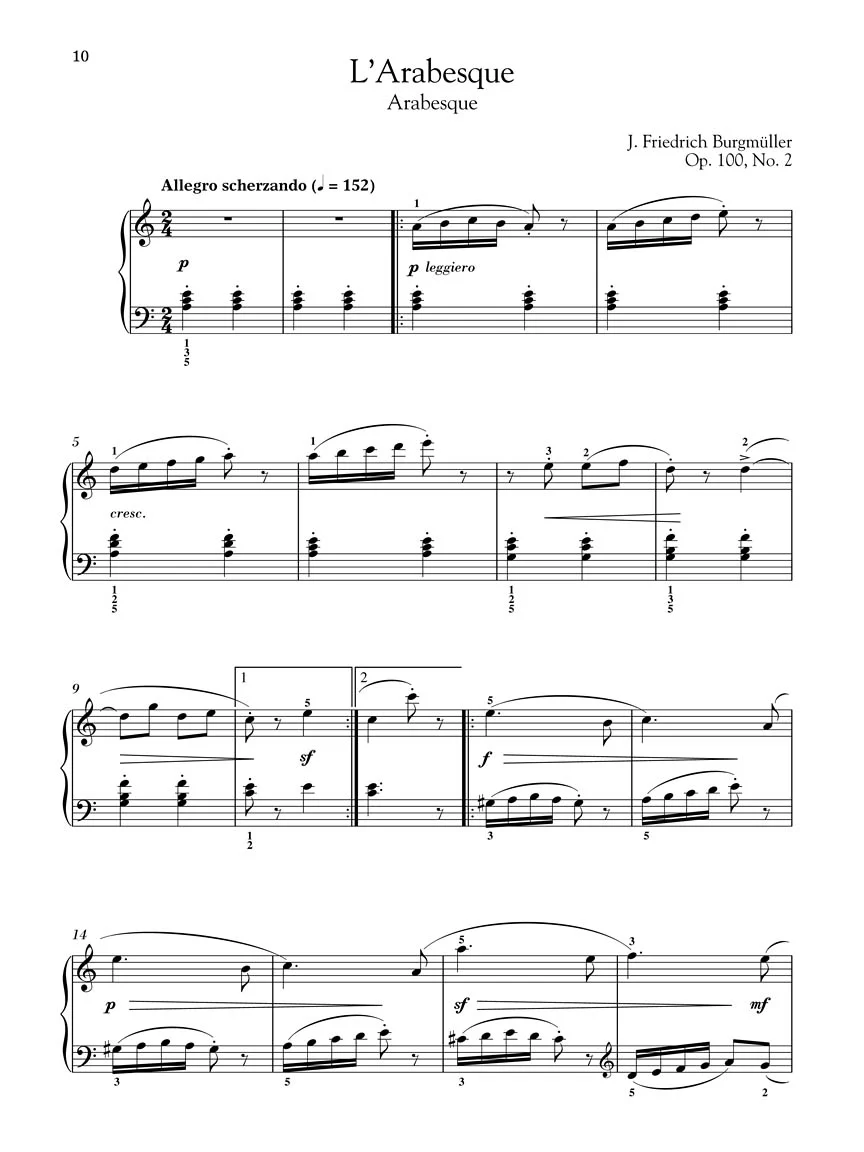
Pedagogical in nature, these editions offer insightful interpretive suggestions, pertinent fingering, and historical and stylistic commentary. Johann Friedrich Burgm]ller (1806-1874) was born into a German musical family; both his father and brother were also well-known composers. Settling in Paris after 1832, his light and intimate playing style won popularity in the salons of the day. Originally titled 25 Études faciles et progressives, composées et doigtées expressément pour l'entendue des petites mains, his Opus 100 pieces are perennial favorites among piano students and their teachers.
Product Information
Product Information
Shipping & Returns
Shipping & Returns
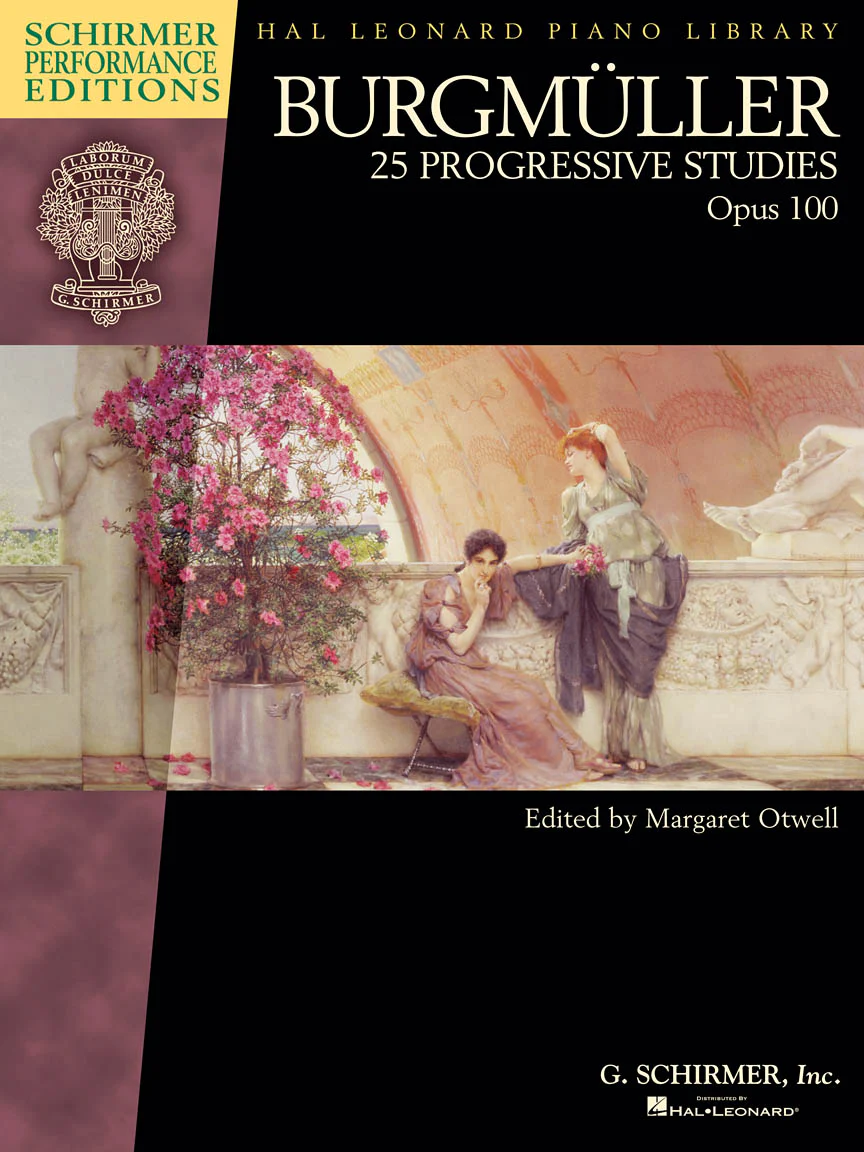
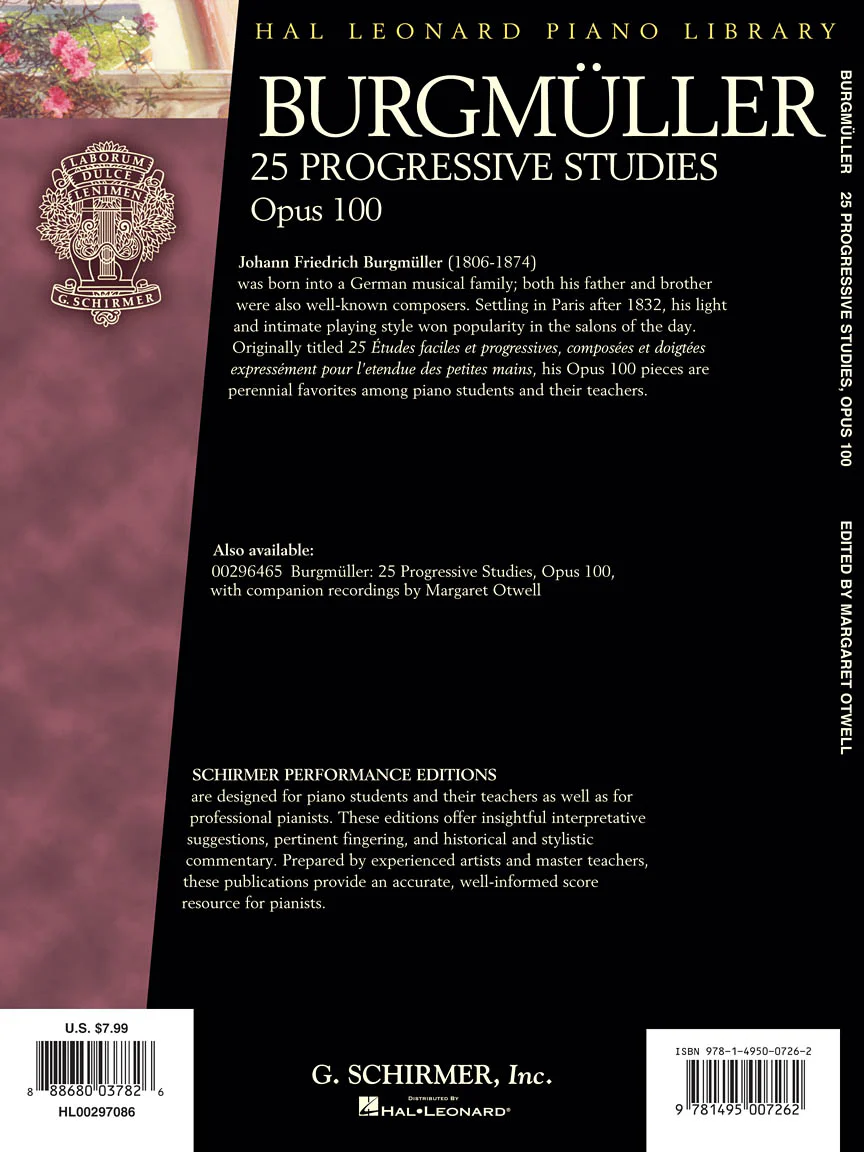
Burgmüller - 25 Progressive Studies, Op. 100 - Schirmer Performance Editions
Burgmüller - 25 Progressive Studies, Op. 100 - Schirmer Performance Editions
Pedagogical in nature, these editions offer insightful interpretive suggestions, pertinent fingering, and historical and stylistic commentary. Johann Friedrich Burgm]ller (1806-1874) was born into a German musical family; both his father and brother were also well-known composers. Settling in Paris after 1832, his light and intimate playing style won popularity in the salons of the day. Originally titled 25 Études faciles et progressives, composées et doigtées expressément pour l'entendue des petites mains, his Opus 100 pieces are perennial favorites among piano students and their teachers.
$3.85
Original: $10.99
-65%Burgmüller - 25 Progressive Studies, Op. 100 - Schirmer Performance Editions—
$10.99
$3.85Product Information
Product Information
Shipping & Returns
Shipping & Returns
Description
Pedagogical in nature, these editions offer insightful interpretive suggestions, pertinent fingering, and historical and stylistic commentary. Johann Friedrich Burgm]ller (1806-1874) was born into a German musical family; both his father and brother were also well-known composers. Settling in Paris after 1832, his light and intimate playing style won popularity in the salons of the day. Originally titled 25 Études faciles et progressives, composées et doigtées expressément pour l'entendue des petites mains, his Opus 100 pieces are perennial favorites among piano students and their teachers.