✨ New Arrivals Just Dropped!Explore
Clearance: Schubert's Reputation from His Time to Ours
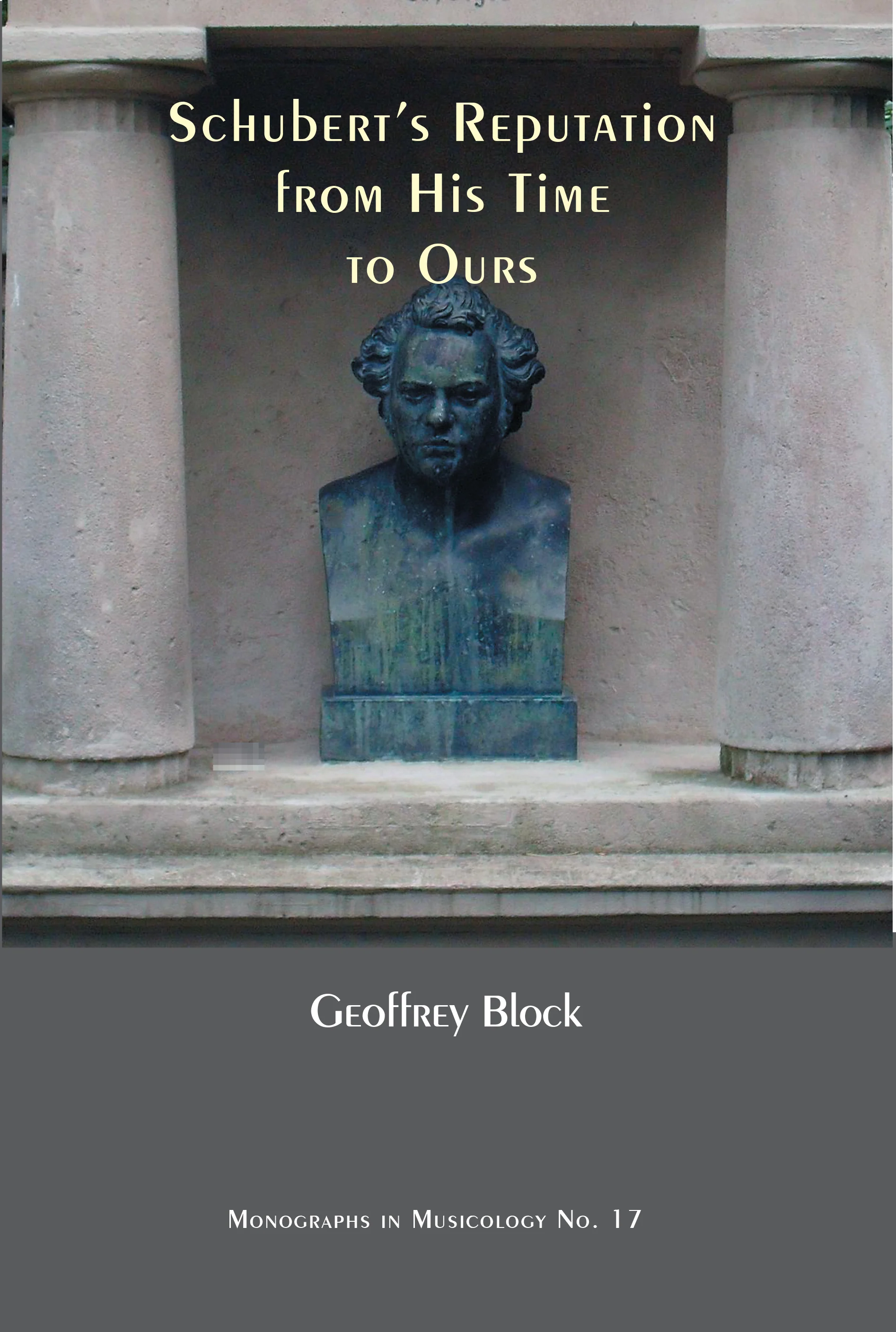
The composer Franz Schubert (1797-1828) was not bereft of early advocates, from Schumann, Liszt, and Mahler to Sir George Grove. Brahms famously heralded Schubert as "the true successor to Beethoven." Nevertheless, it was not until the end of the twentieth century that Schubert's major instrumental works finally and fully emerged from Beethoven's shadow. Critics and scholars began to reinterpret Schubert's departures from Beethoven's formal and stylistic characteristics, and to see these departures not as flaws but as strengths and hallmarks of a new paradigm. Schubert's alternate constructions of "masculine subjectivities," first described by Schumann in 1838, parallel a developing appreciation for lyricism, melody, and song-traits historically regarded as feminine. Consequently, Schubert's approach is increasingly viewed as innovative and divergent rather than defective and deviant. Schubert's Reputation from His Time to Ours tells the story of how and why this has happened.
Product Information
Product Information
Shipping & Returns
Shipping & Returns
Clearance: Schubert's Reputation from His Time to Ours
Clearance: Schubert's Reputation from His Time to Ours
The composer Franz Schubert (1797-1828) was not bereft of early advocates, from Schumann, Liszt, and Mahler to Sir George Grove. Brahms famously heralded Schubert as "the true successor to Beethoven." Nevertheless, it was not until the end of the twentieth century that Schubert's major instrumental works finally and fully emerged from Beethoven's shadow. Critics and scholars began to reinterpret Schubert's departures from Beethoven's formal and stylistic characteristics, and to see these departures not as flaws but as strengths and hallmarks of a new paradigm. Schubert's alternate constructions of "masculine subjectivities," first described by Schumann in 1838, parallel a developing appreciation for lyricism, melody, and song-traits historically regarded as feminine. Consequently, Schubert's approach is increasingly viewed as innovative and divergent rather than defective and deviant. Schubert's Reputation from His Time to Ours tells the story of how and why this has happened.
$8.40
Original: $24.00
-65%Clearance: Schubert's Reputation from His Time to Ours—
$24.00
$8.40Product Information
Product Information
Shipping & Returns
Shipping & Returns
Description
The composer Franz Schubert (1797-1828) was not bereft of early advocates, from Schumann, Liszt, and Mahler to Sir George Grove. Brahms famously heralded Schubert as "the true successor to Beethoven." Nevertheless, it was not until the end of the twentieth century that Schubert's major instrumental works finally and fully emerged from Beethoven's shadow. Critics and scholars began to reinterpret Schubert's departures from Beethoven's formal and stylistic characteristics, and to see these departures not as flaws but as strengths and hallmarks of a new paradigm. Schubert's alternate constructions of "masculine subjectivities," first described by Schumann in 1838, parallel a developing appreciation for lyricism, melody, and song-traits historically regarded as feminine. Consequently, Schubert's approach is increasingly viewed as innovative and divergent rather than defective and deviant. Schubert's Reputation from His Time to Ours tells the story of how and why this has happened.